
Article contents
- Steady demand, all year round
- Spring and summer: gardens, terraces and longer tourist stays
- Fashion weeks: busy professional guests
- Trade fairs and business trips
- September and autumn: heritage and culture
- The festive season: lights and family stays
- How to plan your rental around it
- Frequently asked questions
In many destinations, short-term renting follows one high season and a long quiet season. The 1st arrondissement does not work that way. Between the museums, the gardens, the shops of rue Saint-Honoré and easy access to the whole of central Paris, the area draws guests in every period of the year. What changes from one month to the next is not so much whether there is demand as what kind: who comes, for how long, and how far ahead they book.
Understanding these shifts helps you plan your calendar, set consistent prices and prepare the flat for the right kind of guest.
Steady demand, all year round
The Louvre, the Musée de l’Orangerie, the Jeu de Paume, the Musée des Arts décoratifs and the Sainte-Chapelle do not close in winter. The Comédie-Française plays through its season, the area’s restaurants and shops stay open, and the 1st remains one of the most practical bases for exploring Paris on foot. This underlying demand shows in bookings: even in quiet weeks, guests look for a central flat for a few nights.
That regularity is an asset. It allows you to aim for steady occupancy without relying on a single peak. It also sets a constant standard: the flat must be ready to welcome a demanding guest at any time of year.
Spring and summer: gardens, terraces and longer tourist stays
As the days lengthen, the area changes. The Tuileries and Palais-Royal gardens fill up, the Seine quays and the tip of the square du Vert-Galant become places to stroll, and café terraces spill out around Les Halles. In summer, the funfair set up in the Tuileries adds a lively touch along rue de Rivoli.
This is the season of families, couples and long-haul travellers, who book earlier and often stay longer. For an owner, it is the time to open the calendar well in advance and take care of the details that matter in summer: ventilation, blackout in the bedrooms, tips on gardens and walks in the digital welcome book.
Fashion weeks: busy professional guests
Several times a year, Paris hosts its fashion weeks. The 1st, with its fashion houses, showrooms and rue Saint-Honoré addresses, sits at the heart of the action. Buyers, journalists, photographers and production crews look for a flat close to everything, for short stays that are sometimes booked late.
These guests have their own expectations: a flexible check-in at varying hours, reliable wifi for work, room for bulky suitcases and a spotless flat from the moment they arrive. Our team adapts check-in and check-out to these irregular schedules.
Trade fairs and business trips
The major trade fairs in and around Paris also bring professional visitors. Many prefer to stay in the centre, in a well-connected area, rather than next to the exhibition grounds. The 1st, with Châtelet-Les Halles and line 14, meets that demand well. These stays often fall on weekdays and naturally complement tourist weekends.
September and autumn: heritage and culture
After the summer break, the European Heritage Days open places that are usually closed to the public, and the 1st has many of them around the Palais-Royal and the Louvre. In autumn, Nuit Blanche offers night-time art trails across the city. These cultural events bring French and European visitors for short stays, often over a weekend.
The festive season: lights and family stays
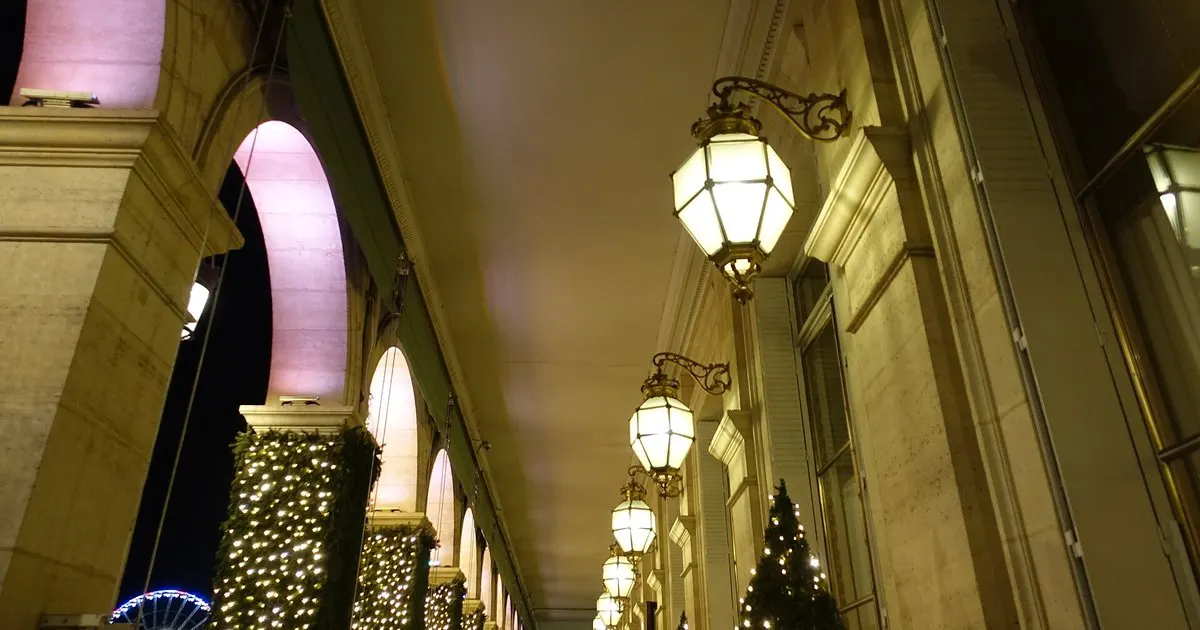
In December, the arcades of rue de Rivoli, the shop windows of rue Saint-Honoré and the area’s lights give the 1st a special atmosphere. Guests come for the holidays, the markets and the museums, and many book ahead for the period between Christmas and New Year. It is also when preparation matters most: heating checked, enough linen, clear information on public holidays and shop opening hours.
How to plan your rental around it
Three levers help you make the most of seasonality rather than suffer from it.
- Price: adjust rates to the season, events and local demand instead of keeping one price all year. That is the principle of our dynamic pricing.
- Calendar: if the flat is your main home, the annual cap set by the City of Paris means choosing your periods, as we explain in our article on short-term rental rules in the 1st.
- Preparation: adapt the flat and the information given to guests to the season and the expected type of guest.
Laura and Hannah help you build this calendar when your listing goes live, then adjust it month after month as part of our support for owners. For a first idea of what your flat could earn across the seasons, start with an estimate.
Frequently asked questions
Is there a low season in the 1st arrondissement?
Demand varies across the year, but the area draws guests in every season thanks to its museums, shops and central location. What mainly changes is the type of guest and how far ahead they book.
Do fashion weeks affect renting in the 1st?
Yes. They bring professional guests looking for a central flat for short stays, often with varying arrival times.
Should prices change with the season?
It is recommended. A price that adjusts to the season, events and local demand is more consistent than a fixed rate all year.
How do you choose rental periods when the flat is a main home?
The annual cap set by the City of Paris means selecting the periods you offer. We help you choose them based on demand in the area and your own time away.
Photo: Guilhem Vellut, CC BY 2.0, via Wikimedia Commons
How much could your property earn?
An estimate of your short-term rental income, based on your address.
Estimate my incomeRead next